Posted by: Jorge Moreno Vargas | International Smart Cities Network (RICI)
Date: 28/04/2026
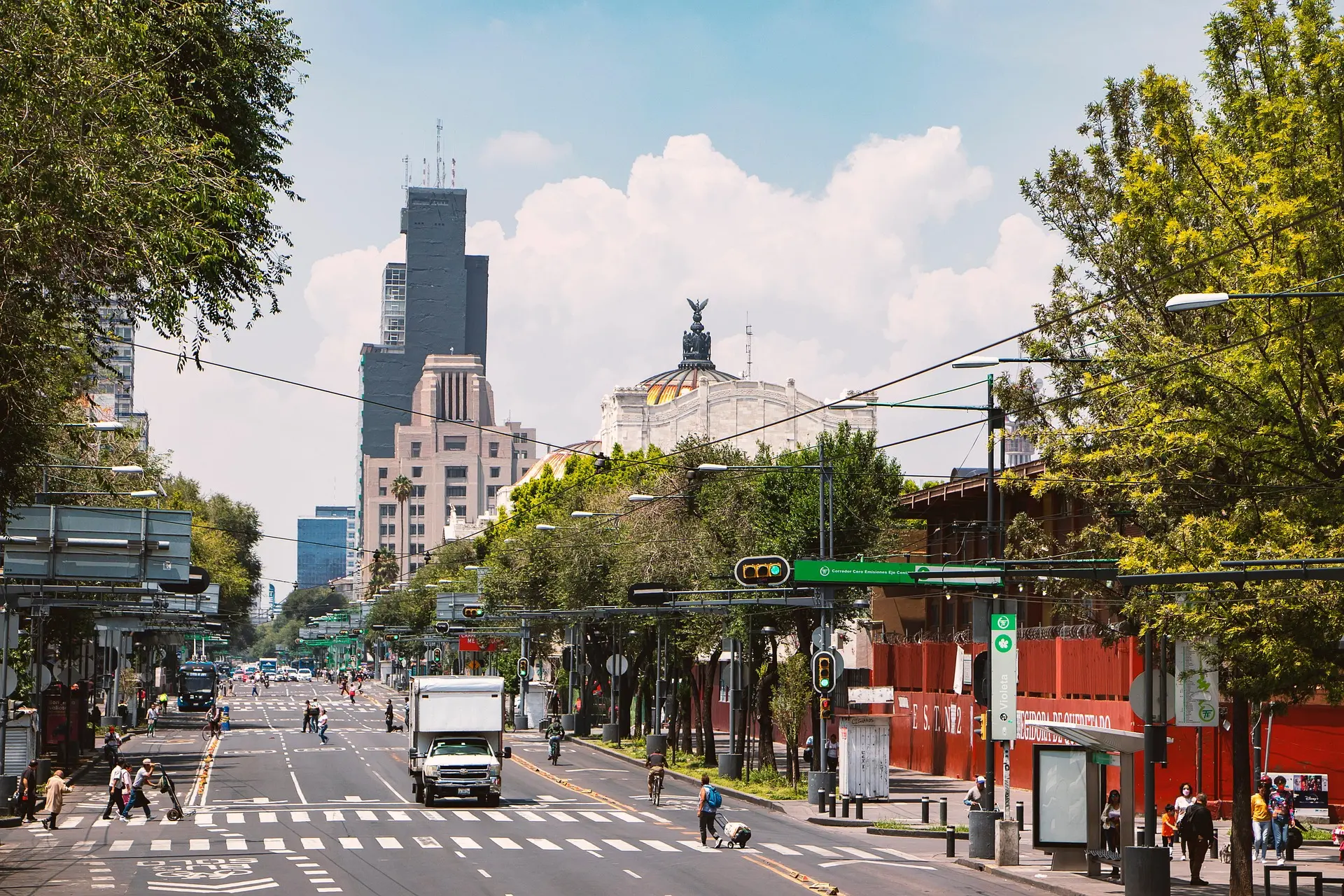
The IMD Smart City Index 2026 once again places a central idea at the heart of the urban agenda: a smart city is defined not only by its technology, but by public trust, inclusion, and the quality of life that its residents experience every day.
For years, the concept of smart cities was dominated by a technological promise: sensors, platforms, automation, analytics, connectivity, and artificial intelligence. This narrative helped accelerate investments, spark institutional interest, and open new possibilities for urban management. However, it also created a distortion: in many cases, smart cities began to be discussed as if the simple deployment of technology were enough to transform urban life.
The current context is forcing a correction of that idea. The recently published IMD Smart City Index 2026 places a much more demanding question at the center: how well does the city work for its residents? This point is significant because the index does not merely assess technological infrastructure or availability; it places substantial emphasis on citizen perceptions and the human dimensions of urban development.
This fundamentally changes the conversation. A smart city is no longer simply a city that adopts technology; it becomes a city capable of balancing infrastructure, governance, inclusion, environment, and quality of life. In other words, being smart is not about installing more technology—it is about enabling the city to respond more effectively.
From this perspective, a truly smart city should be able to provide urban experiences that are clearer, more reliable, and more human-centered. It should reduce friction in daily life. It should make interactions with government easier. It should support more efficient mobility, more accessible services, more transparent management, more livable public spaces, and healthier social interactions.
This vision is particularly important for Latin America. Our region faces deep and simultaneous challenges: inequality, insecurity, infrastructure gaps, low institutional trust, climate pressures, unplanned urban growth, and an urgent need to modernize public administration. In this context, adopting technology without a well-being-oriented approach may result in more digitalized cities, but not necessarily better cities.
For this reason, it is worth pausing to redefine priorities. A smart city in our region should not begin with technological fascination, but rather with an agenda focused on real problems: how to improve citizen services, strengthen institutional trust, reduce risks, reclaim public spaces, use data for better decision-making, improve city operations, and translate innovation into everyday well-being.
This is also a practical lesson for those involved in urban transformation projects. Those of us who have worked closely with areas such as energy, monitoring, security, platforms, critical infrastructure, automation, or governance understand that no system has value on its own. Its value emerges when it improves decisions, prevents failures, reduces delays, provides certainty, and creates a more useful experience for people. That is the difference between installed technology and technology with purpose.
At RICI, we believe this conversation must expand even further. Discussing smart cities today also means discussing Cities of Peace, urban psychology, urban well-being, sustainability, and community. It means recognizing that a city influences human behavior, perceptions of safety, social interaction, sense of belonging, and the ability to build social trust.
The design and operation of cities have emotional, social, and institutional consequences. A hostile city generates stress, exhaustion, and disconnection. A city that is legible, accessible, and human-centered can foster greater peace of mind, stronger connections, and shared responsibility. Therefore, urban intelligence should not be measured solely by technological coverage, but also by the ability of the environment to promote coexistence, dignity, and quality of life.
Reviving the editorial conversation at RICI at this moment responds precisely to this need. We seek to create a space that does not repeat empty formulas or fashionable rhetoric, but instead helps us think about and build a more useful urban future for our region. A space where innovation serves real life; where the smart city is understood as a city that is better governed, more trustworthy, more livable, and more human.
The future of cities will not be determined solely by the adoption of new tools. It will be determined by the ability of cities to transform those tools into tangible outcomes: better services, greater clarity, stronger inclusion, improved prevention, enhanced well-being, and deeper trust. That is perhaps the best way to understand which smart city truly matters.
Discounts of up to €8,000 for online master's programs with official certifications.
Study online master's degrees in BIM, 3D Visualization, and Architecture with official certifications.
Join to activate your special discount.

RICI Bot